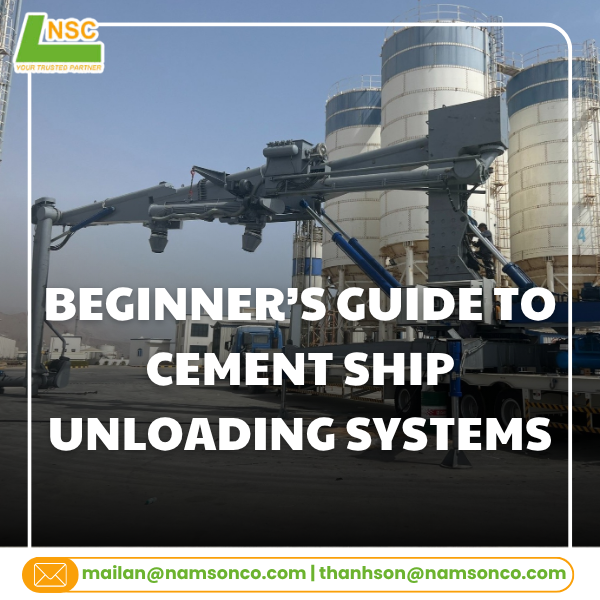
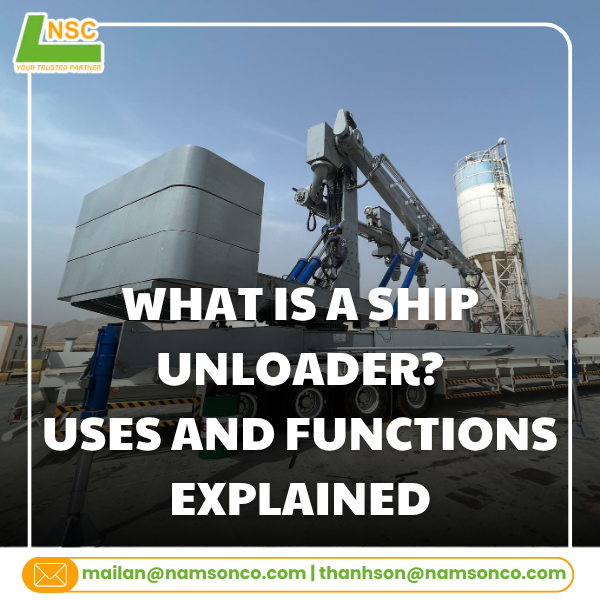
A
cement conveying system plays a critical role in modern industrial operations by ensuring the efficient, safe, and continuous transfer of bulk cement. Designed to minimize material loss, reduce dust emissions, and improve operational efficiency, these systems are widely used in cement plants, storage facilities, and construction material processing industries. Understanding how a cement conveying system works can help businesses select the right solution for optimizing material handling performance and reducing long-term operating costs.
Introduction
A cement conveying system is an essential solution for transporting bulk cement efficiently and safely throughout industrial facilities. From cement manufacturing plants to storage terminals and construction material processing facilities, these systems ensure continuous material flow while minimizing dust emissions, product loss, and labor requirements.
As production demands continue to increase, companies require reliable cement conveying equipment capable of handling large volumes of material with high efficiency. Modern cement conveying systems are designed to optimize bulk cement transfer, reduce operational costs, and improve workplace safety. Whether utilizing pneumatic conveying technology or mechanical conveying equipment, selecting the right system can significantly impact plant productivity and long-term performance.
This article explores how a cement conveying system works, the different types available, key equipment used in cement transfer operations, and the benefits these systems provide for industrial applications.
=>See more: 5 common errors when operating a cement ship unloader and how to fix them
What Is a Cement Conveying System?
A cement conveying system is an engineered material handling solution designed to transport cement from one location to another within an industrial facility. The system enables the controlled movement of bulk cement between storage silos, production lines, loading stations, and processing equipment while maintaining operational efficiency and product quality.
Unlike manual handling methods, a modern cement transfer system provides continuous material flow, reduces contamination risks, and improves overall plant performance. These systems are widely used in cement plants, ready-mix concrete facilities, bulk material terminals, and various manufacturing industries that require reliable cement transportation.
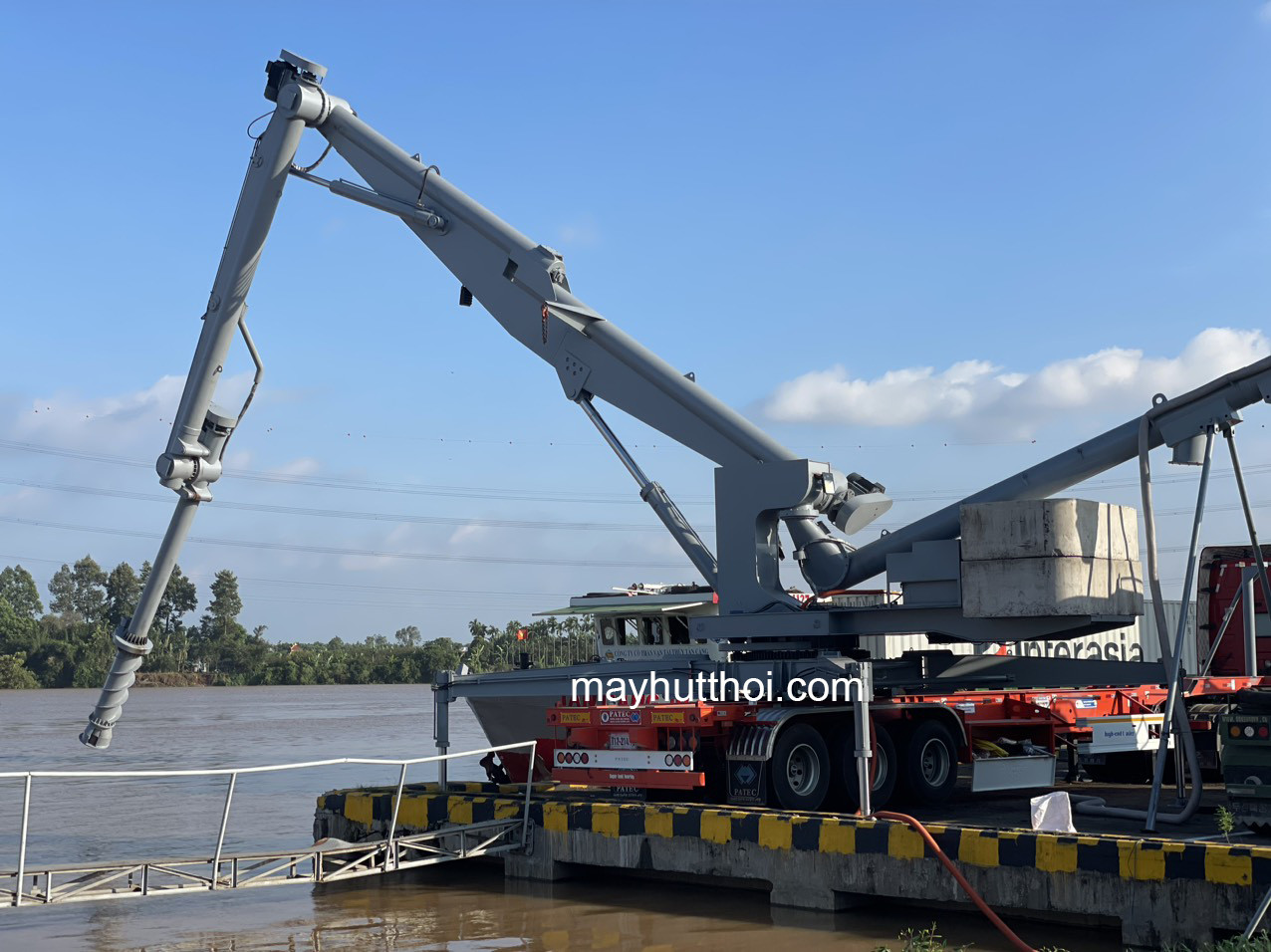
Definition of a Cement Conveying System
A cement conveying system refers to a combination of equipment and technologies that facilitate the transfer of dry cement through enclosed pathways. Depending on the application, the system may use air pressure, mechanical conveyors, or a combination of both to move material efficiently.
The primary objective of a cement conveying system is to transport cement with minimal material loss while maintaining a consistent flow rate. By reducing manual intervention, these systems help businesses improve productivity, reduce operating expenses, and maintain cleaner working environments.
Industrial facilities often rely on cement conveying equipment to transport material over short or long distances. The specific design depends on factors such as conveying capacity, transfer distance, plant layout, and operational requirements.
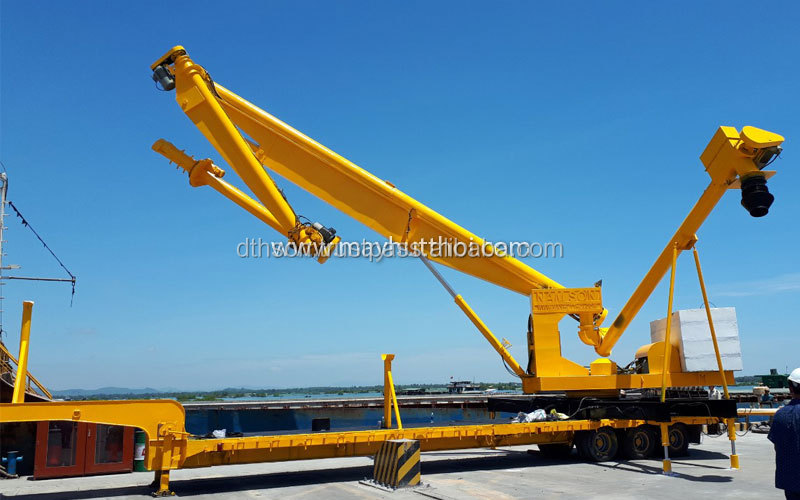
How a Cement Conveying System Works
The operation of a cement conveying system begins when bulk cement is discharged from a storage point or production process. The material is then introduced into the conveying line through a feeding device that regulates flow and ensures consistent transfer.
Once inside the system, cement is transported through pipelines or conveyors toward its destination. In pneumatic systems, compressed air creates the force required to move the material through enclosed pipelines. In mechanical systems, equipment such as screw conveyors, bucket elevators, or belt conveyors physically transport the cement between locations.
Throughout the conveying process, the system maintains a controlled flow of material while preventing excessive dust generation. At the discharge point, cement is delivered directly into storage silos, processing equipment, packaging systems, or transportation vehicles.
The efficiency of a cement conveying system depends on proper system design, equipment selection, and operational control. A well-designed system can provide reliable material transfer while minimizing maintenance requirements and energy consumption.
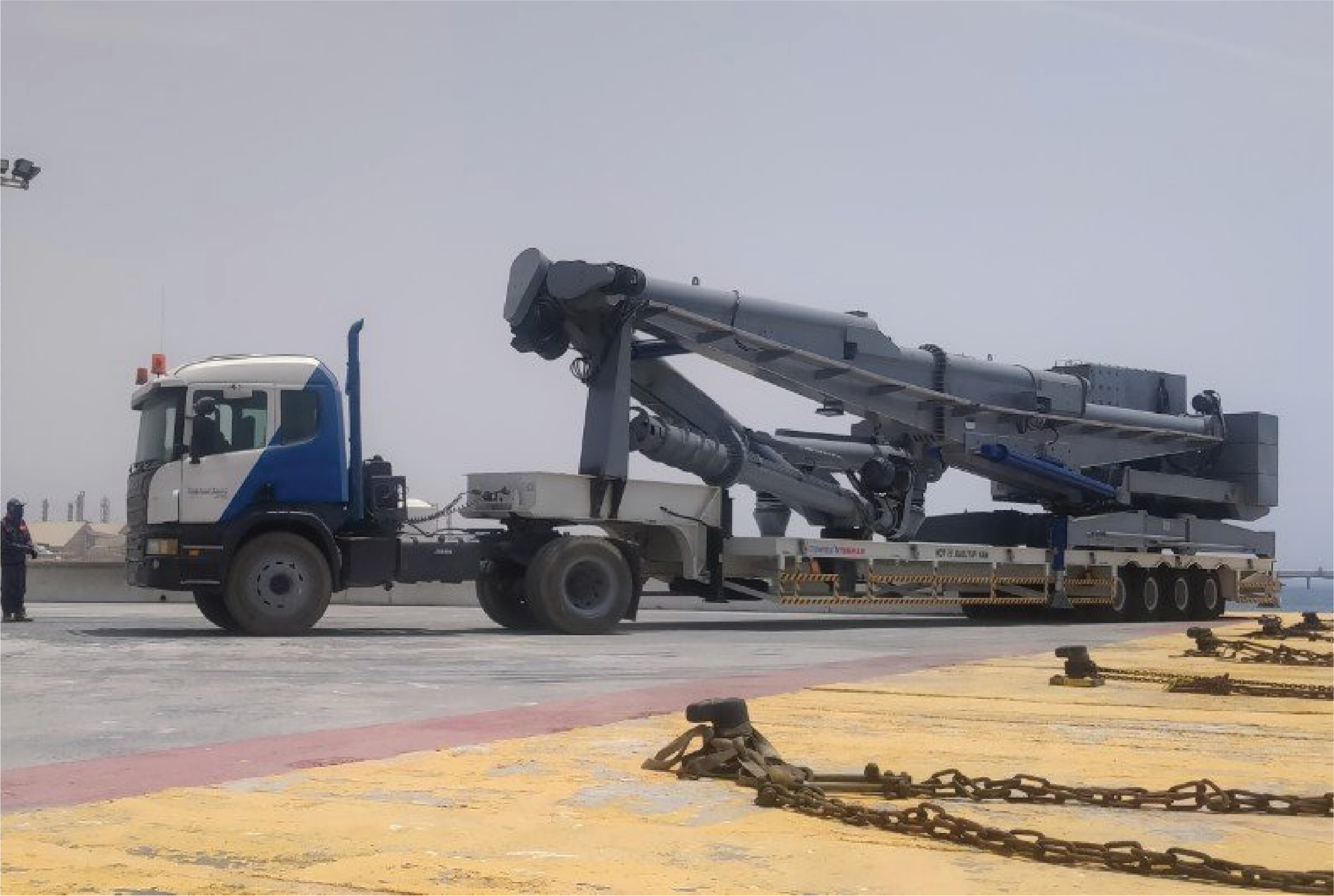
Main Components of a Cement Conveying System
Every cement conveying system consists of several critical components that work together to ensure smooth and efficient material transfer.
The feeding unit regulates the flow of cement entering the system and helps maintain consistent conveying performance. Rotary valves and feeders are commonly used to introduce material into pneumatic conveying lines while preserving system pressure.
Conveying pipelines or conveyor structures provide the pathway through which cement travels. These components must be designed to withstand abrasive materials and maintain long-term durability under demanding industrial conditions.
Air generation equipment, including compressors and blowers, supplies the energy required for pneumatic conveying systems. These devices create the airflow necessary to move cement through the pipeline network.
Material discharge equipment controls the final delivery of cement to storage silos, production equipment, or loading stations. Proper discharge design ensures efficient material handling while minimizing dust emissions.
Monitoring and control systems further enhance operational efficiency by allowing operators to manage conveying parameters, monitor system performance, and respond quickly to changing production requirements.
Together, these components form an integrated cement conveying system capable of supporting reliable bulk cement transfer across a wide range of industrial applications.
Contact us
Looking for a reliable cement conveying system for your project? Our engineering team provides customized bulk cement transfer solutions designed to match your plant layout, capacity requirements, and operational goals.
Contact us today to discuss your application and receive a professional consultation with a competitive quotation.
° Website: mayhutthoi.com|
namsonco.com° Alibaba: dthson.trustpass.alibaba.com° Facebook: facebook.com/NamSonPneumaticConveyor° Zalo/Whatsapp: (+84) 949854582
° Email: mailan@namsonco.com | thanhson@namsonco.com