
Hotline/Whatsapp: +84 949 854 582thanhson.namson@gmail.com


=>See more: Best practices for pneumatic cement ship unloader maintenance
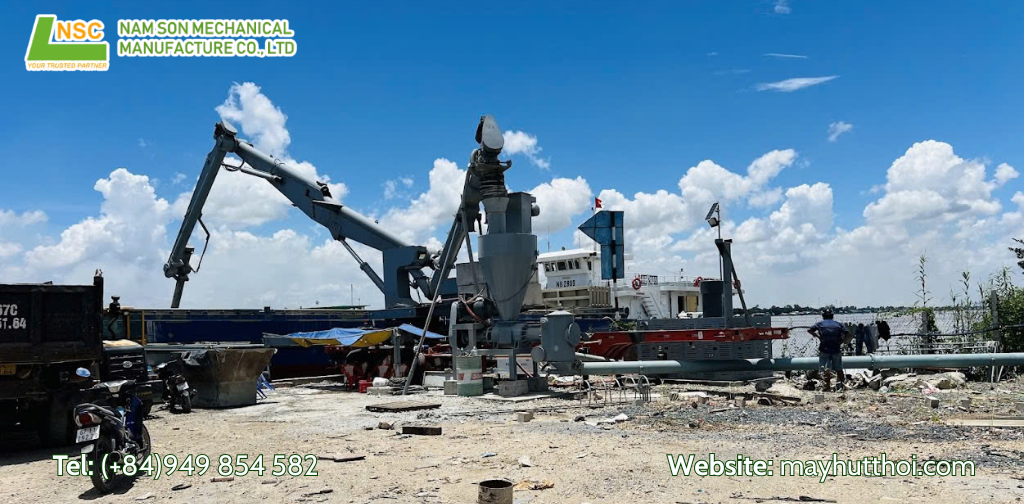
Capacity is the first and most decisive factor when choosing a pneumatic cement unloader. It defines how much cement can be unloaded per hour and directly influences vessel turnaround time, labor utilization, and downstream material flow.
For high-demand operations, a high capacity cement unloader is essential to support continuous unloading without interruptions. In contrast, medium-scale terminals may operate more efficiently with a standard bulk cement unloader that matches real throughput requirements. Selecting excessive capacity can increase investment and operating costs without delivering proportional benefits.
Capacity must also be evaluated in relation to the overall cement unloading system, including conveying distance, pipeline layout, and the ability to maintain a continuous cement unloading system. Inadequate capacity can cause material accumulation and pressure instability, while properly matched capacity ensures smooth and predictable cement handling.
Ultimately, the correct capacity selection ensures that the pneumatic cement unloader supports operational efficiency without creating unnecessary cost or complexity.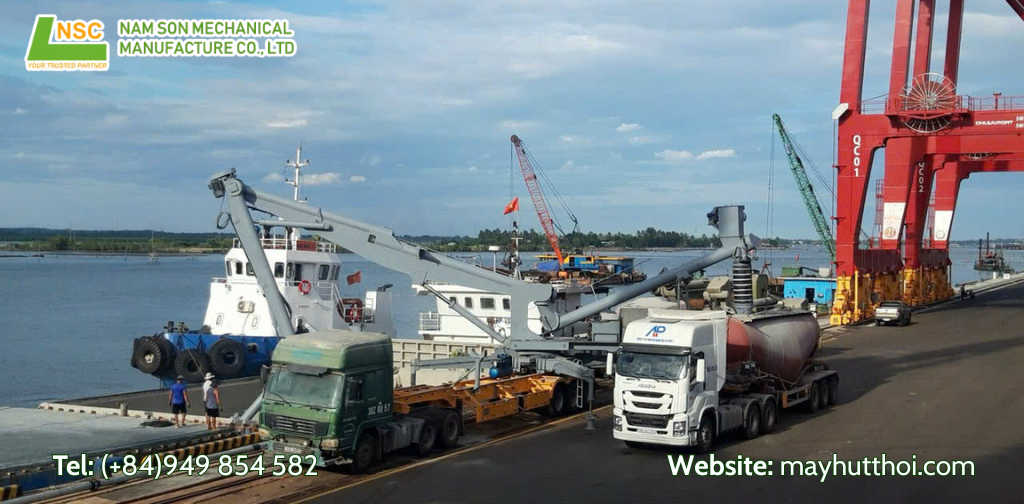
The design of a pneumatic cement unloader determines how efficiently cement is conveyed, how stable the system operates, and how adaptable it is to different site conditions. A well-engineered pneumatic cement unloading system balances airflow, conveying pressure, and material flow to maintain consistent unloading performance.
One of the most important design considerations is whether the system uses positive pressure cement conveying or a vacuum cement unloader configuration. Positive pressure designs are often favored for longer conveying distances and higher throughput, while vacuum-based systems provide stable suction control in enclosed unloading environments.
Another critical design aspect is whether the system operates as a closed cement conveying system. Closed designs minimize material loss, reduce dust generation, and maintain consistent conveying efficiency. Additionally, the choice between a fixed pneumatic cement unloader and a mobile cement unloader impacts system flexibility, installation layout, and future expansion options.
Design decisions must always align with the selected capacity, as mismatched design and throughput targets can limit the effectiveness of even the most advanced pneumatic cement unloader.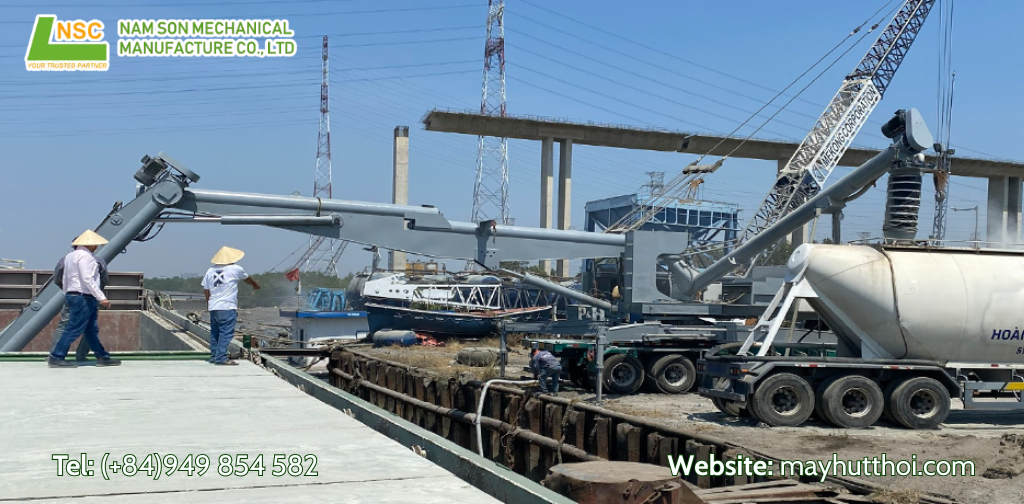
Cost evaluation should extend beyond the initial purchase price of a cement unloading machine. While an economical cement unloading system may appear attractive at first, long-term operating and maintenance expenses often define the true cost of ownership.
Energy consumption is a major cost driver. An energy efficient cement unloader can significantly reduce power usage over its lifecycle, especially in continuous or high-capacity operations. Systems designed for stable airflow and optimized conveying pressure typically consume less energy while maintaining performance.
Maintenance costs also play a key role. A low maintenance cement unloader reduces downtime, spare part replacement, and labor requirements. This is particularly important in facilities where uninterrupted unloading is critical to logistics schedules.
When evaluating cost factors, decision-makers should consider total lifecycle cost rather than short-term savings. A properly designed pneumatic cement unloader often delivers lower overall costs despite a higher initial investment.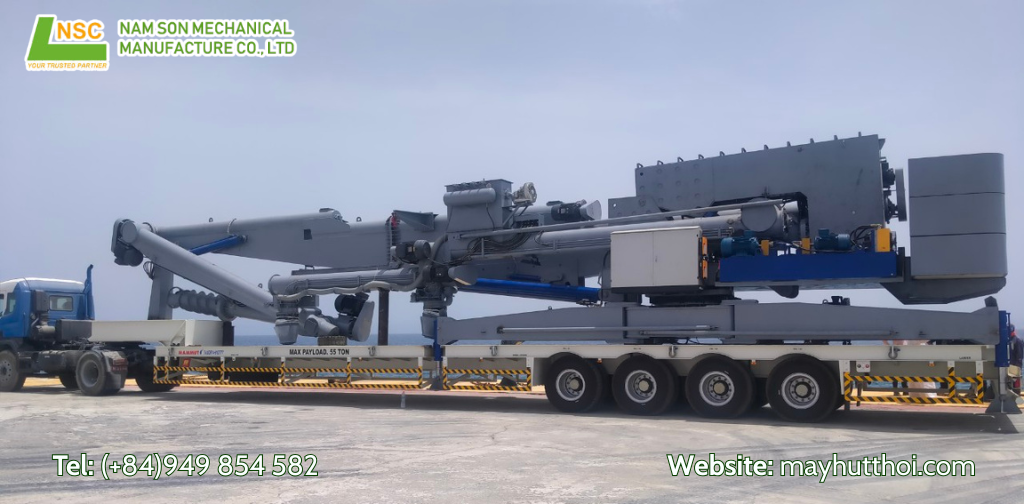
Choosing the right pneumatic cement unloader requires a balanced evaluation of capacity, design, and cost factors rather than focusing on a single parameter. Capacity must align with real unloading demand, design must support stable and efficient pneumatic conveying, and cost considerations must include long-term operational efficiency.
When these three factors are properly balanced, a pneumatic cement unloader becomes a reliable and cost-effective solution for bulk cement handling. By focusing on actual operational requirements instead of overspecification, businesses can achieve higher efficiency, reduced operating costs, and sustainable performance throughout the equipment lifecycle.
Looking for the right pneumatic cement unloader for your operation?
Contact our technical team to discuss capacity requirements, design options, and cost-effective solutions tailored to your cement unloading needs.
° Website: mayhutthoi.com| namsonco.com
° Alibaba:dthson.trustpass.alibaba.com
° Facebook: facebook.com/NamSonPneumaticConveyor
° Zalo/Whatsapp: (+84) 949854582
° Email: mailan@namsonco.com | thanhson@namsonco.com


Copyright © 2016 Nhuamisa