Improving port productivity has become a critical priority as global cargo volumes continue to rise. Among the most impactful investments ports can make is adopting advanced
ship unloader machinery, which streamlines bulk material handling, accelerates unloading cycles, and reduces vessel turnaround time. With modern systems such as continuous ship unloaders and bulk material unloading systems, ports can significantly enhance efficiency, cut operational costs, and maintain reliable, high-capacity performance. This article explores how today’s ship unloader technology directly transforms port operations and strengthens overall competitiveness.
I. Introduction – How ship unloader machinery boosts port operation productivity
As global trade intensifies and bulk cargo volumes grow rapidly, ports are under constant pressure to improve efficiency, reduce vessel congestion, and shorten turnaround times. In this environment,
ship unloader machinery has become one of the most critical contributors to port productivity. Modern unloading systems—such as
continuous ship unloaders, mechanical ship unloaders, pneumatic unloaders, and high-capacity unloading systems—are engineered to accelerate bulk material handling, stabilize material flow, reduce manpower dependency, and minimize operational interruptions.
The result is a substantial boost in operational efficiency, enabling ports to handle more vessels, process larger volumes of bulk materials, and maintain smooth operations even under high demand. This article will examine in detail how modern
ship unloader machinery directly improves port operation productivity through speed, automation, reliability, environmental performance, and optimized workflow.
=>SEE MORE: What is a ship unloader? A complete guide to its function and applications
II. How modern ship unloader machinery improves port operational productivity
1. Ship unloader machinery enhances unloading speed and throughput
Speed is one of the strongest indicators of port performance, and modern
ship unloader machinery significantly increases unloading capacity through continuous and high-efficiency material handling technologies. Equipment such as h
igh-capacity ship unloaders, continuous ship unloaders, mechanical grab systems, bulk carrier unloaders, and rail-mounted unloaders can process thousands of tons of bulk materials per hour.
By maintaining a steady
bulk material flow through systems like enclosed conveyors, hoppers, and feed chutes, these machines help reduce bottlenecks and ensure smooth downstream handling. This consistency is essential for ports that must coordinate cargo transport with trucks, storage silos, and conveyor networks.
With faster unloading speeds, ports benefit from accelerated vessel scheduling, improved berth allocation efficiency, and reduced waiting times for incoming ships. Over time, these improvements contribute directly to higher annual throughput and a more competitive operational model.
2. Ship unloader machinery reduces vessel turnaround time
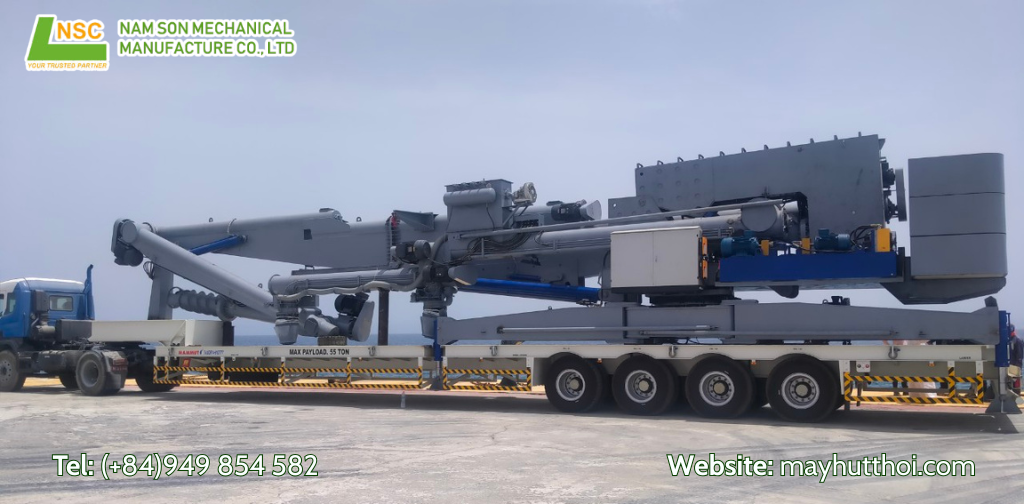
Vessel turnaround time is one of the most important performance metrics in maritime logistics. It reflects how quickly a port can complete unloading and release a vessel for its next voyage. Modern
ship unloader machinery plays a crucial role in reducing this metric by combining high unloading capacity with streamlined operational processes.
Equipment such as
fast ship unloading equipment, automated ship unloader systems, continuous unloading lines, and
precision-guided unloaders allows ports to offload cargo at a much faster rate compared to traditional manual or semi-mechanical methods. With fewer delays caused by equipment constraints or manual handling inefficiencies, ships spend less time at berth, allowing ports to serve more vessels within the same operational window.
Reducing vessel turnaround time not only improves port productivity but also lowers demurrage costs for shipping companies—strengthening the port’s reputation and making it a more attractive destination for bulk carriers.
3. Ship unloader machinery lowers labor requirements and boosts operational precision
Automation is one of the defining features of modern cargo handling, and
ship unloader machinery plays a vital role in reducing the reliance on labor-intensive operations. Instead of requiring large teams to manually control grabs, direct material flow, or manage loading positions, automated systems equipped with
PLC-based controls, operator cabins, remote-monitoring systems, and
precision-controlled unloaders handle most of the repetitive tasks.
This reduction in manual involvement results in several benefits. First, it minimizes human error, ensuring a consistent and predictable unloading process. Second, it improves worker safety by minimizing direct exposure to falling materials, moving components, or dust-intensive areas. Finally, it allows ports to reallocate labor resources toward supervisory, maintenance, or higher-value operational roles.
Automation also enables precise control over unloading sequences, improving material placement accuracy and reducing the likelihood of equipment damage or spillage. The combined effect is a leaner, more efficient operational structure that supports higher productivity without compromising safety.
4. Ship unloader machinery minimizes downtime and maintenance interruptions
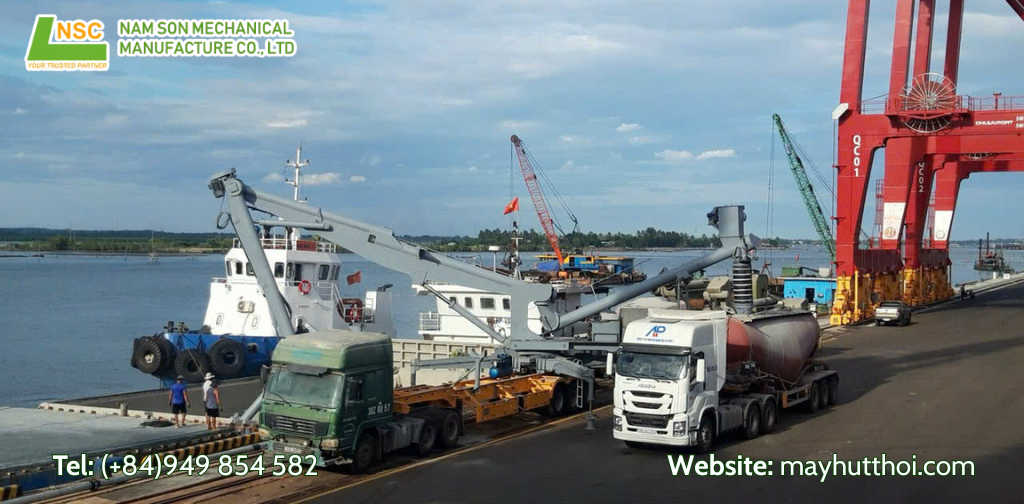
Operational continuity is essential for ports handling dense vessel traffic. Downtime—whether due to equipment failure, material blockages, or mechanical wear—can disrupt scheduling and cause delays across the supply chain. Modern
ship unloader machinery is built to mitigate these issues through durable construction, optimized design, and low-maintenance components.
Systems like
reliable ship unloading systems, low-maintenance unloading machines, heavy-duty unloading booms, and
wear-resistant conveyor elements ensure that ports experience fewer unexpected stoppages. Many machines incorporate self-cleaning features, anti-blockage systems, and automated lubrication to further reduce the need for manual intervention.
With equipment that operates longer without interruption, ports can maintain continuous unloading cycles, improve overall material handling output, and avoid peak-season bottlenecks. Long-term, these reliability improvements translate directly into higher productivity, better equipment ROI, and greater predictability in planning port operations.
5. Ship unloader machinery improves environmental performance and reduces spillage
Environmental compliance is becoming increasingly important in global logistics, and ports face growing expectations to manage dust, noise, emissions, and material loss responsibly. Modern
ship unloader machinery incorporates advanced environmental controls designed to minimize ecological impact while improving operational efficiency.
Technologies such as
dust-free ship unloaders, enclosed conveyor unloaders, eco-friendly unloading machines, low-emission material handlers, and
spillage-control systems help reduce the spread of particulate matter and keep the port environment clean. By preventing excessive dust formation, ports protect worker health, meet environmental standards, and reduce the need for frequent cleanup operations.
Spillage reduction is another key benefit. Stable material flow, enclosed transport systems, and optimized grab or suction designs ensure that bulk materials travel smoothly from vessel to receiving systems without unnecessary loss. Less spillage means greater usable output, lower wastage costs, and faster post-operation cleanup—all contributing to higher operational productivity.
III. Practical considerations for maximizing productivity
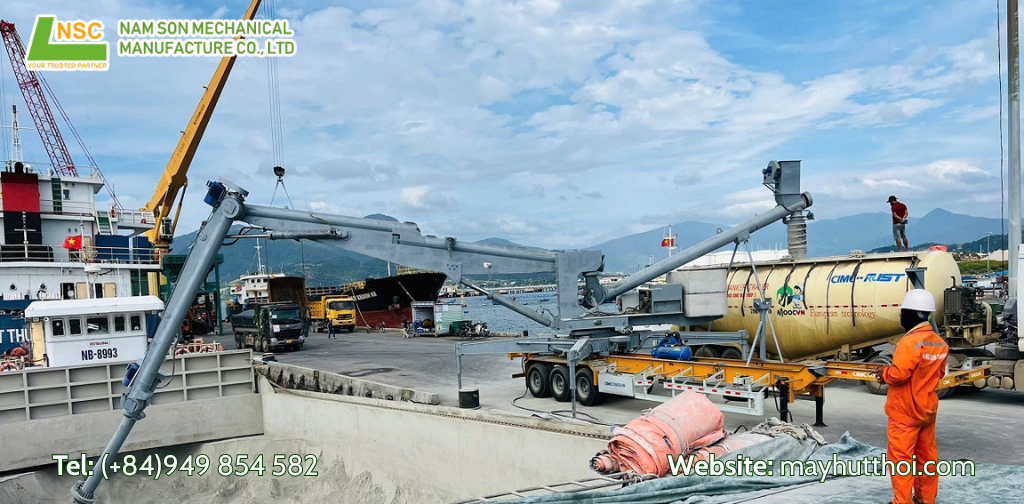
To fully leverage the productivity gains offered by
ship unloader machinery, ports must adopt an integrated approach that considers equipment selection, workflow design, operator training, and preventive maintenance. Choosing the right type of unloader—
whether pneumatic, mechanical, or
continuous—depends on the material characteristics, unloading volume, environmental requirements, and available port infrastructure. Equally important is ensuring seamless compatibility between the unloader and downstream systems such as hoppers, conveyors, storage silos, and weighing stations. Effective training programs allow operators to use automated features efficiently, while structured maintenance schedules help prevent unexpected downtime and sustain peak performance. When these factors are aligned, the ship unloader becomes not just a piece of equipment but a strategic asset that unlocks maximum productivity for the entire port operation.
IV. Conclusion
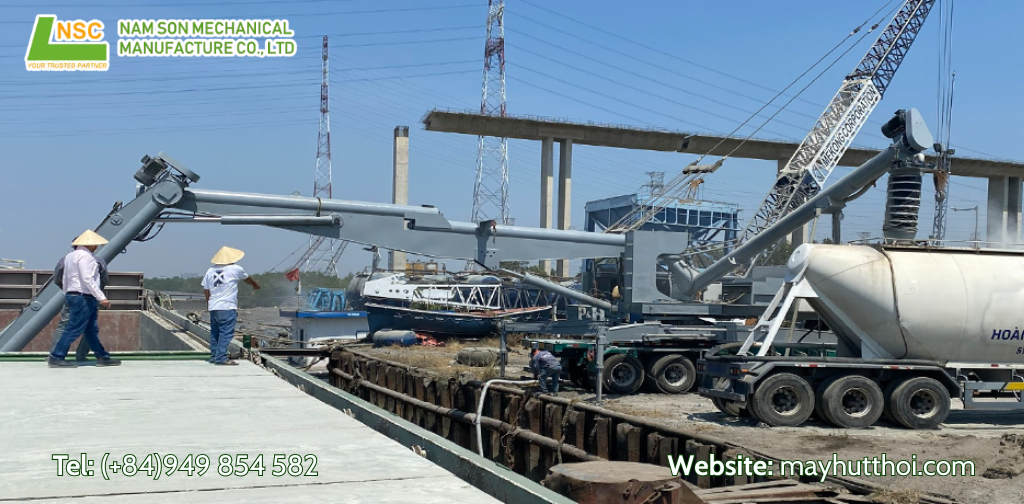
Ship unloader machinery is a cornerstone of modern port efficiency, delivering measurable improvements across speed, labor use, reliability, environmental performance, and operational consistency. Ports that invest in advanced systems—such as
high-capacity ship unloaders, automated unloading systems, and
continuous unloading equipment—are better equipped to handle increasing cargo volumes, reduce vessel turnaround time, and maintain smooth, high-output operations. By strategically selecting equipment and applying optimized workflows, ports can achieve sustainable productivity growth and establish a long-term competitive advantage in global maritime logistics.
=>SEE MORE:
Advantages & practical applications of Vietnam cement ship unloader in cement industry
V. Contact
Looking for a high-performance ship unloader solution? Contact us today to get expert guidance and a customized system engineered to boost your port’s productivity.