Choosing the right ship unloader is a crucial step in ensuring the smooth, efficient, and cost-effective operation of any
bulk cargo port. The performance of your entire terminal depends on how well this equipment matches your cargo type, unloading capacity, and port layout. A poorly chosen unloader can lead to delays, excessive maintenance costs, and even environmental challenges. On the other hand, the right system can significantly improve productivity, reduce energy consumption, and extend the lifespan of your infrastructure.
This article provides a comprehensive guide on
how to choose the most suitable ship unloader for your port operations. From understanding different
unloader technologies to assessing key performance factors, supplier evaluation, and
installation considerations, every aspect will help you make a well-informed and strategic decision for your port’s long-term success.
Understanding the role of a ship unloader
A
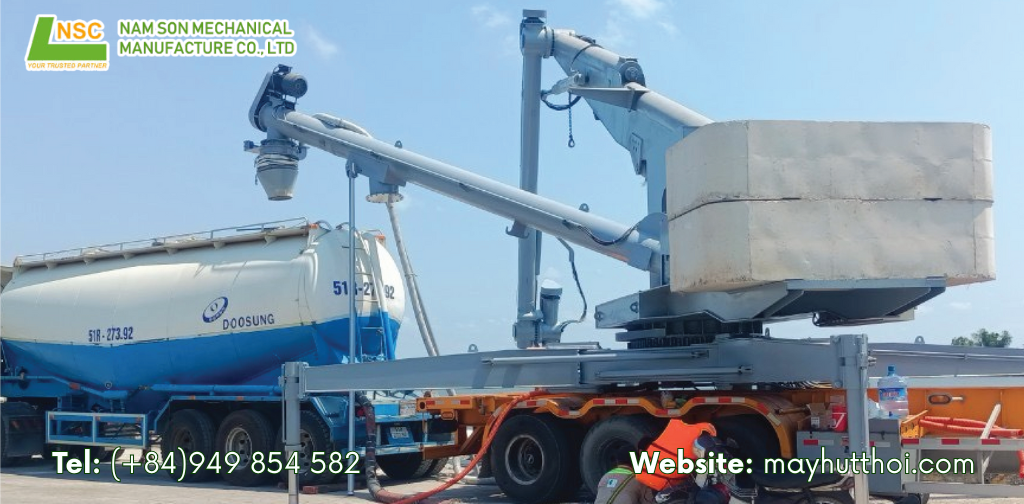
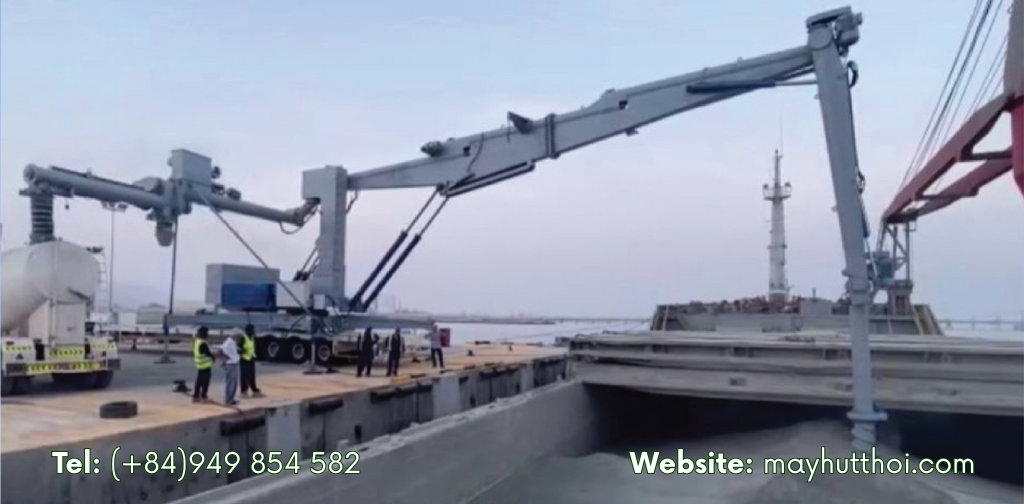
ship unloader is a vital component in bulk material handling systems, responsible for transferring cargo from vessels to onshore storage facilities. Depending on the nature of the cargo, ports can use different technologies such as continuous unloaders, grab-type unloaders, or bucket-wheel unloaders. Each design offers distinct advantages and limitations, and understanding these differences is the foundation for making the right choice.
Continuous unloaders are known for their steady operation, energy efficiency, and suitability for fine materials like grain or cement.
Grab-type unloaders, meanwhile, are versatile and adaptable, capable of handling a wide range of
bulk cargo such as coal, fertilizer, or ore. Selecting the correct type directly influences
unloading speed,
environmental performance, and
long-term cost efficiency.
See more:
What is a ship unloader? A complete guide to its function and applications
Key factors to consider when choosing a ship unloader
Selecting a
ship unloader is not simply about buying heavy machinery — it’s about finding the perfect balance between
performance,
durability, and
operational compatibility with your
port environment.
1. Cargo type and material characteristics
Different cargoes require different unloading technologies. Fine and dusty materials demand enclosed systems to minimize pollution, while heavy and abrasive materials call for reinforced structures and durable components. The moisture level, flow properties, and bulk density of your cargo will determine which
unloader design can handle the load most efficiently without compromising safety or product quality.
2. Capacity and throughput requirements
Every port has a specific handling target. High-volume ports benefit from continuous unloaders with high throughput, allowing rapid discharge of large vessels. Smaller ports, or those dealing with diverse cargoes, may prefer
grab-type unloaders for their flexibility and lower initial cost. The chosen capacity should align with both current operations and future growth expectations, ensuring consistent terminal productivity.
3. Energy efficiency and sustainability
Modern ports are moving toward
sustainable and
low-emission operations.
Energy-efficient unloaders equipped with advanced drive systems and dust control features not only reduce operational costs but also minimize environmental impact. Selecting eco-friendly solutions contributes to cleaner port operations and long-term regulatory compliance, aligning with global sustainability goals.
4. Mobility and installation design
The layout of your port strongly influences the type of
unloader you should select.
Fixed quay-mounted unloaders are ideal for large, dedicated terminals handling similar vessels, while mobile systems offer flexibility for ports that handle various ship sizes.
Rail-mounted systems provide an optimal balance between mobility and structural stability. Evaluating your quay space, vessel draft, and terminal layout ensures smooth integration and future scalability.
5. Automation and control systems
Automation plays a significant role in modern
unloading technology. Systems equipped with remote control, real-time monitoring, and automated feedback loops enhance both efficiency and safety. Operators can monitor performance, detect issues early, and reduce human error. Investing in automation ensures smoother operations and reduces overall operational costs over time.
Comparing major ship unloader technologies
The two most common
ship unloader technologies —
continuous and
grab-type — each serve different operational needs. Continuous unloaders provide a steady flow of material, making them ideal for bulk commodities like cement, grain, and alumina. They offer superior energy efficiency, lower dust emissions, and high throughput. Grab-type unloaders, on the other hand, are favored for their versatility and ease of maintenance, capable of handling multiple cargo types without significant reconfiguration.
Choosing between these designs depends on the specific requirements of your
port, including cargo diversity, vessel type, and desired
unloading speed. Conducting a performance evaluation based on your operational data will help identify which technology delivers the highest efficiency for your unique conditions.
.png)
Evaluating suppliers and manufacturers
Beyond technology, the
supplier you choose can determine the long-term reliability of your investment. A trusted manufacturer provides not only well-engineered equipment but also technical expertise, customization, and
after-sales service. When evaluating suppliers, look for certifications such as ISO or CE that verify compliance with international quality and safety standards.
Equally important is the availability of
spare parts,
maintenance services, and training programs. A supplier with a strong global network can ensure faster support, minimizing downtime and ensuring your unloader operates efficiently throughout its service life.
Cost, lifecycle value, and ROI
While purchase price often drives initial decisions, the true measure of value lies in
lifecycle performance. A cost-effective
unloader should combine reasonable capital expenditure with low operational and maintenance costs. Factors such as energy consumption, spare parts availability, and expected equipment lifespan all influence the total cost of ownership.
By conducting a lifecycle cost analysis, ports can evaluate the long-term benefits of investing in a high-quality unloader. Though initial costs might be higher, energy savings and reduced maintenance often result in a stronger
return on investment within just a few years of operation.
.png)
Installation, maintenance, and safety
Proper
installation ensures optimal performance and long-term reliability. Working with experienced project teams guarantees correct alignment, stable foundation design, and efficient integration with existing port systems like conveyors or silos.
Regular maintenance is equally vital. Periodic inspections, cleaning, and lubrication reduce wear and prevent mechanical failures. Modern
unloaders equipped with monitoring systems can detect potential issues early, allowing predictive maintenance before costly breakdowns occur. Safety must also be prioritized — features such as dust suppression, noise reduction, and emergency shutdown systems protect both operators and the environment, ensuring compliance with international port safety regulations.
See more: Choosing the right cement ship unloading system in Vietnam
Conclusion: Making the smart choice for your port
Selecting the
right ship unloader is a strategic decision that affects every aspect of your port’s operation — from productivity and maintenance to environmental performance. By understanding your cargo characteristics, capacity needs, and technological options, you can identify the system that best fits your operational profile. Partnering with experienced
suppliers ensures quality, reliability, and long-term support.
A well-chosen ship unloader not only enhances efficiency but also strengthens your port’s competitiveness in a rapidly evolving maritime industry. For expert guidance and customized solutions, contact our engineering team today to explore how the next generation of
ship unloaders can transform your
port operations for years to come.
Contact our engineering team today to get the right ship unloader solution for your port. CONTACT US
✱ Website: mayhutthoi.com|
namsonco.com✱ Alibaba: dthson.trustpass.alibaba.com✱ Facebook: facebook.com/NamSonPneumaticConveyor✱ Zalo/Whatsapp:(+84) 949854582
✱ Email: mailan@namsonco.com | thanhson@namsonco.com